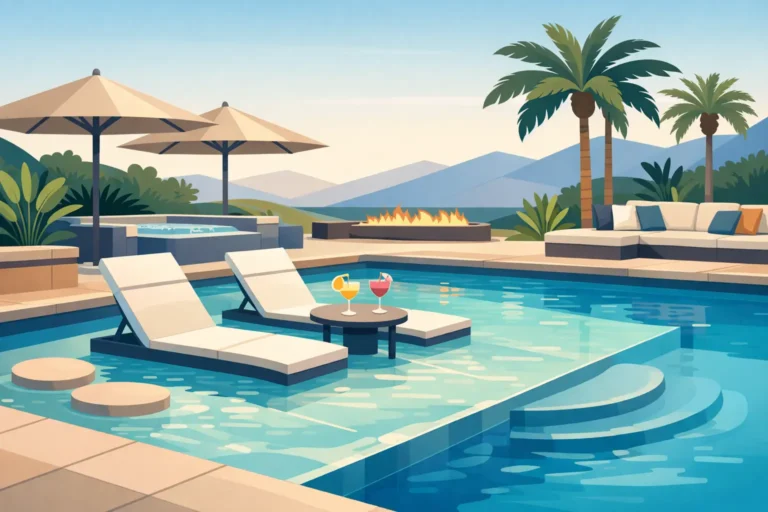
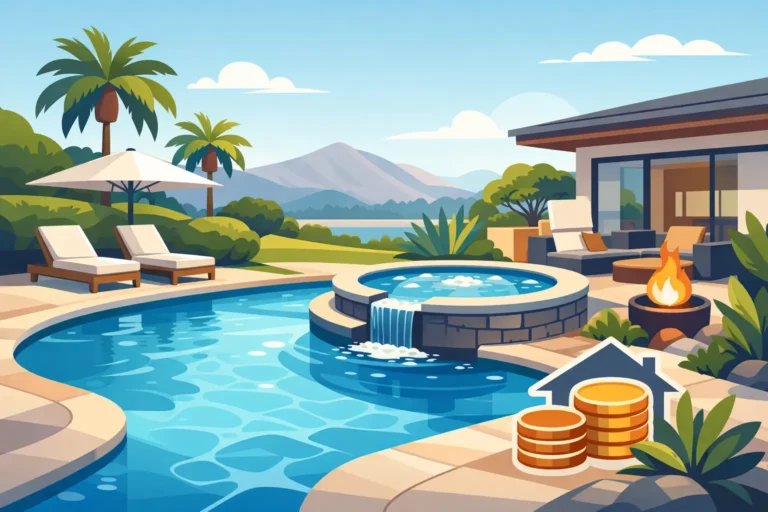
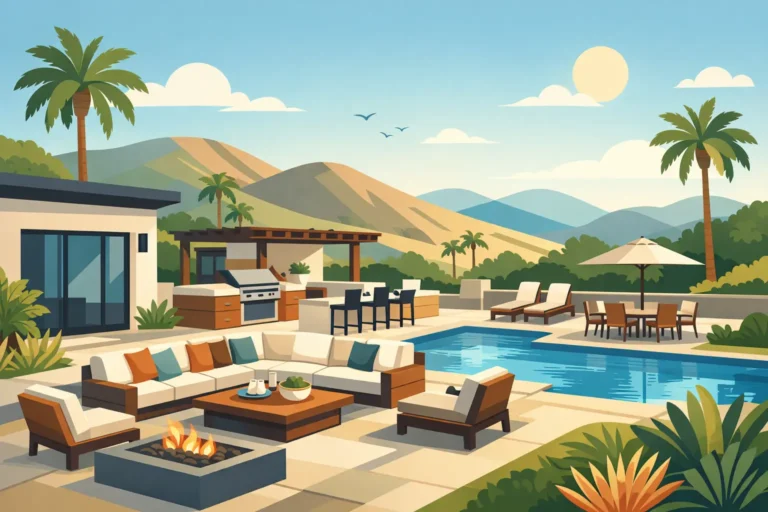
A saltwater pool is often associated with softer-feeling water, less day-to-day chlorine handling, and a more refined backyard experience. But the saltwater pool installation cost is not simply the price of adding salt to a new pool. It reflects the full construction standard behind the water: engineering, excavation, steel, shotcrete, plumbing, equipment, finishes, and the outdoor space that makes the pool feel like a true extension of your home.
For Southern California homeowners, a professionally built custom saltwater pool commonly begins around $75,000 and can exceed $150,000 or more as size, site conditions, integrated features, and material selections increase. The right budget is not about finding the lowest initial number. It is about building a durable personal oasis that performs reliably, looks exceptional, and supports your property’s long-term value.
What Does a Saltwater Pool Installation Cost?
A saltwater system is a chlorine-generation system, not a pool filled with ocean water. Pool-grade salt is added to the water, and a salt cell converts it into chlorine to sanitize the pool. The water still requires professional balancing, filtration, circulation, and regular service, but many homeowners prefer the gentler swimming experience and the convenience of producing chlorine on site.
When installed as part of a new custom pool, the salt system itself is usually a relatively modest part of the overall investment. Depending on equipment capacity, automation compatibility, and electrical requirements, a quality salt chlorination system may add roughly $1,500 to $3,500 or more to the project. The larger cost is the pool shell and the construction work required to build it correctly.
A realistic custom saltwater pool budget in the Santa Clarita Valley, San Fernando Valley, Los Angeles, and surrounding communities may fall into these broad ranges:
- A streamlined custom pool with quality equipment and a salt system may begin near $75,000 to $100,000.
- A larger pool with a spa, Baja shelf, upgraded finish, automation, and surrounding hardscape often ranges from $100,000 to $175,000.
- A fully developed luxury outdoor environment with elaborate water features, premium pavers, outdoor kitchens, extensive grading, and complex engineering can move well beyond $175,000.
These figures are planning ranges, not a substitute for a site-specific estimate. A compact pool on a flat, accessible lot can cost substantially less than a similar-looking pool behind a steep hillside home with limited equipment access and major retaining requirements.
The Construction Standards Behind the Price
A pool quote should tell you what is being built, not only what is being installed. Lower bids can leave out structural specifications, finish allowances, electrical upgrades, demolition, drainage work, or the hardscape needed to complete the yard. Those omissions can create expensive change orders later or result in a backyard that feels unfinished.
Engineering, permits, and site preparation
Before excavation begins, a custom pool requires design coordination, plan preparation, engineering, and permits. In Southern California, requirements can vary significantly by city, neighborhood, hillside condition, utilities, and local soil characteristics.
Site access matters as much as square footage. If excavation equipment cannot reach the backyard easily, crews may need to use smaller machinery, remove fencing, protect existing surfaces, or perform additional manual work. Sloped lots, expansive soil, drainage concerns, and retaining walls also affect the structural plan and budget.
Excavation, steel, and shotcrete
The pool’s shape is only the visible part of the design. Beneath the finish is a structural vessel that must handle soil movement, water pressure, and years of use. High-quality construction typically includes properly designed steel reinforcement, such as #4 rebar where specified, and a dense shotcrete shell. A 4,500 psi shotcrete standard provides the strength expected in a long-lasting residential pool structure.
This is not the category to reduce simply to save money. A beautiful tile line cannot compensate for weak structural work, poor plumbing layout, or inadequate soil preparation. Experienced pool builders price the work required to create a durable foundation before the decorative selections are finalized.
Plumbing, electrical, and high-efficiency equipment
A saltwater pool depends on reliable circulation. The equipment package generally includes a variable-speed pump, filter, heater or heat-pump option, valves, plumbing lines, electrical connections, and the salt chlorinator. Smart automation can allow homeowners to manage pool temperature, lighting, water features, and equipment schedules from a phone or control panel.
Equipment choices affect both upfront cost and daily ownership. High-efficiency pumps and properly sized filtration can reduce energy waste, while automated controls make it easier to protect the water quality when your family is busy or away. Premium equipment costs more than basic components, but it can deliver a more dependable and convenient ownership experience.
Features That Change Saltwater Pool Installation Cost
Most homeowners are not investing in a pool alone. They are creating a setting for weekend gatherings, family time, quiet evenings, and everyday outdoor living. The features that make that setting feel personal also influence the final price.
An integrated spa adds excavation, steel, plumbing, heating requirements, and finish work. A Baja shelf creates a shallow, resort-style area for lounge chairs and younger swimmers, but it also changes the pool layout and interior finish quantity. Waterfalls, sheer descents, deck jets, and fire features require additional plumbing, gas, electrical work, and controls.
Interior finishes can vary from standard plaster to upgraded quartz and pebble surfaces. Higher-end finishes offer richer color, greater visual depth, and, in many cases, service life that can reach approximately 15 to 25 years with proper care. Tile selection, coping material, and the amount of waterline tile also shape the final look and the budget.
The deck around the pool deserves equal attention. Pavers, concrete, natural stone, drainage, landscape lighting, and pathways determine whether the finished yard feels polished and usable. An outdoor kitchen, covered patio, or built-in seating area can transform the project from a swimming pool into a complete entertainment environment.
Saltwater Operating Costs and Maintenance Expectations
A saltwater pool is not maintenance-free, but it can simplify chlorination. The salt cell produces chlorine as water moves through the system, reducing the need to manually add traditional chlorine products as frequently. Homeowners still need to monitor water chemistry, maintain proper stabilizer and pH levels, clean filters, and inspect equipment.
Salt cells eventually need replacement, often after several years of use depending on water chemistry, operating hours, and maintenance practices. Salt can also be corrosive to certain materials when a pool is poorly balanced. This is why correct equipment selection, compatible materials, sound bonding, and routine professional care matter.
For many families, the trade-off is worthwhile. The water generally feels less harsh, chemical storage is reduced, and automation can make pool care more predictable. A salt system is especially compelling when it is integrated into a well-designed equipment pad from the beginning rather than treated as an afterthought.
How to Compare Pool Estimates With Confidence
Comparing only the bottom-line price can be misleading. Ask each contractor to identify the pool dimensions and depth, steel and shotcrete specifications, equipment brands and model levels, interior finish allowance, tile allowance, deck scope, permitting responsibility, and warranty terms. You should also understand what happens if the site reveals unexpected rock, unsuitable soil, utility conflicts, or drainage issues.
Construction timing deserves a direct conversation as well. A clear schedule helps homeowners plan around access, landscaping, pets, and family routines. While permitting, weather, inspections, and site conditions can affect any project, an experienced design-build contractor should have a defined process and regular communication. A five-to-six-week construction timeline after permits and preconstruction requirements are in place can provide a useful benchmark for a well-managed pool build.
The best estimate is detailed enough to make decisions before construction begins. It should account for the performance of the pool, the quality of the finishes, and the complete appearance of the property when the crews leave.
Build for the Backyard You Will Use for Years
A custom pool should fit your home, your lot, and the way your family actually spends time outdoors. The lowest saltwater pool installation cost may look appealing at first, but skipped engineering, basic equipment, or incomplete hardscape can diminish the experience and create future expense.
High Level Services helps Southern California homeowners plan high-quality pools with durable structural standards, integrated salt systems, smart equipment, and elegant outdoor features. A free consultation can turn broad price ranges into a clear scope built around your property and priorities. Start with the water, but plan for the memories, comfort, and lasting value the finished backyard can provide.