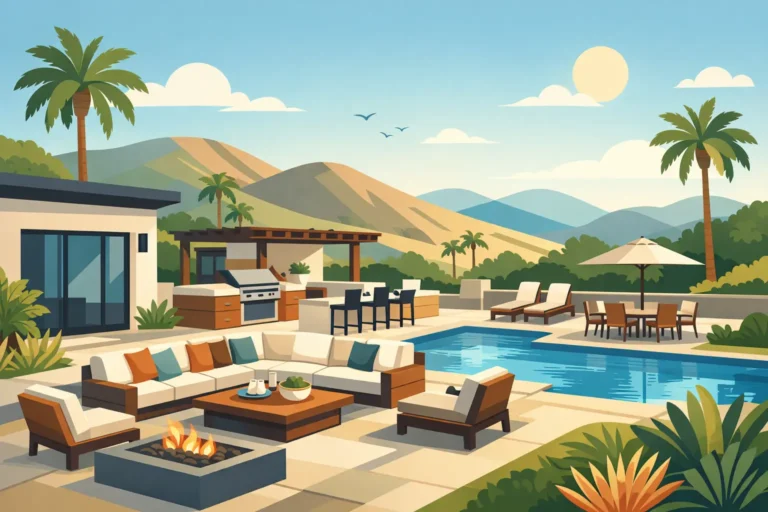
A pool can look beautifully finished in daylight and disappear after sunset if its lighting plan is an afterthought. The right LED pool lighting ideas turn the water, spa, decking, and architectural details into a usable evening environment – one that feels safer for family use and more impressive for entertaining.
For Southern California homeowners, lighting is not simply a decorative add-on. It shapes how often you use your backyard, how the pool reads from inside the home, and how polished the entire outdoor investment feels at night. A high-quality lighting design should create depth without glare, guide people safely through the space, and support the relaxed atmosphere of a personal oasis.
Start With a Layered Lighting Plan
The strongest pool lighting plans use layers rather than relying on one bright fixture in the deep end. Underwater LEDs illuminate the pool itself, while carefully placed landscape, step, and wall lighting define the surrounding outdoor living areas. Each layer has a distinct job.
This approach also prevents the common problem of overlighting. A backyard should not feel like a commercial parking lot. Soft, controlled light makes water shimmer and gives stone, tile, and planting areas dimension. Brightness should be concentrated where people walk, enter the water, or gather, then allowed to fall away in less active areas.
1. Use White LEDs for a Timeless Pool Finish
Color-changing lights are popular, but a warm or cool white setting remains the foundation of a sophisticated pool design. White LEDs show off the interior finish, waterline tile, and clean lines of a modern pool without competing with the architecture.
The best white tone depends on the materials. Cool white can enhance a crisp blue or gray plaster finish and contemporary porcelain tile. A warmer white often complements travertine, tan pavers, natural stone, and Mediterranean-inspired landscaping. During design, view sample materials together at night whenever possible. The color of light can change how every surface appears.
2. Place Lights to Create Depth, Not Hot Spots
A single LED pool light can be sufficient in a compact plunge pool, but larger pools usually need multiple fixtures placed with intention. Light locations should reduce dark corners and create an even glow across the water rather than producing a glaring beam toward the patio or main seating area.
Fixture placement depends on pool shape, depth, entry points, and the direction of the home. In many projects, installing lights on the side facing away from the primary viewing area helps keep glare out of guests’ eyes. A professional design also considers how light reflects off windows, glass fencing, water features, and polished deck materials.
3. Illuminate Baja Shelves and Entry Steps
Baja shelves are made for evening use, especially when they include lounge chairs, umbrellas, or a shallow play area for children. Low-level illumination at the shelf edge and entry steps makes depth changes easier to see while giving the pool a resort-style presence.
Step lighting should be purposeful, not harsh. The goal is clear visual definition of each tread and transition. Small integrated LEDs can make curved steps, tanning ledges, and swim-out benches feel intentional after dark while improving safety for anyone entering the water.
4. Give the Spa Its Own Lighting Moment
An integrated spa deserves its own lighting zone. Its smaller volume of water responds especially well to a single well-positioned LED or a coordinated set of compact fixtures. When the pool is calm and the spa jets are running, the reflected light adds movement and warmth to the entire backyard.
Separate control is worth considering. Homeowners may want the spa illuminated in soft white while the pool remains off, or they may want a low-intensity color scene for a quiet evening. This is one of the practical advantages of designing lighting and smart pool equipment together instead of treating the spa as an afterthought.
LED Pool Lighting Ideas for Color and Features
Color should support the mood of the space, not overwhelm it. Modern LED systems can produce a full range of colors and preprogrammed shows, but the most elegant installations use color selectively. Think of it as an option for celebrations, game days, and seasonal gatherings, while white light carries most everyday use.
5. Highlight Waterfalls From Both Sides
A waterfall looks completely different at night. Lighting from behind or beneath a sheer descent can make the falling water appear sculptural, while a pool light aimed across the water can reveal its movement from the patio. Rock waterfalls benefit from subtle uplighting that shows texture without creating an artificial theme-park effect.
The right method depends on the feature. A clean, linear sheer descent often looks best with a concealed light source that emphasizes its precise edge. A natural stone waterfall may need several soft fixtures aimed at key rock faces and water paths. Wiring, access, and serviceability should be planned before stonework is installed.
6. Frame Fire Features With Calm Water Light
Fire bowls, fire pits, and fireplaces bring natural drama to an outdoor living environment. Because flame is already bright and visually active, the pool lighting around it should usually remain simple. A white pool setting or a restrained blue tone gives the fire a clean backdrop without making the design feel busy.
Keep fixture glare in mind around seating. A direct pool light can compete with the fire feature when viewed from a lounge area. Proper orientation lets both elements stand out: fire as the focal point and water as the reflective surface that expands its effect.
7. Make the Waterline Tile Visible After Dark
Waterline tile is one of the most refined details in a custom pool, yet it can disappear without proper lighting. Underwater LEDs placed to wash light upward across the water help reveal tile color and texture. This is particularly effective with glass tile, mosaic accents, or darker interior finishes that gain depth at night.
Do not use lighting to compensate for materials that lack quality. Premium tile, durable coping, and accurate installation create the detail. The light simply makes that craftsmanship visible after sunset.
8. Light the Perimeter for Safe Movement
The deck, pavers, and pathways surrounding the pool need their own plan. Low-voltage path lights, recessed step lights, and carefully shielded fixtures at grade changes help guests move through the backyard safely. They also make the pool area feel connected to an outdoor kitchen, covered patio, or seating zone.
Avoid lining every path with identical bright fixtures. Staggered placement and shielded sources create a more natural result. On a large property, lighting can also guide the eye from the home toward the pool without exposing every corner of the yard.
9. Use Automation for Everyday Convenience
A lighting system is most valuable when it is easy to use. Integrated smart controls allow homeowners to adjust brightness, select colors, activate spa lighting, and schedule scenes from a central panel or mobile device. One evening setting might illuminate the pool, spa, steps, and patio. Another might keep only the spa and pathways active.
Automation also reduces wasted energy. LEDs already use far less power than older incandescent pool lights and generally provide longer service life, but scheduling prevents them from running longer than needed. Choose equipment that can be serviced and expanded if the outdoor space changes later.
10. Design for Maintenance and Long-Term Performance
Every pool light should be selected and installed with future maintenance in mind. High-quality LED fixtures, correctly sized transformers, secure wiring, and accessible equipment protect the investment and reduce avoidable service issues. In a custom pool build, those details matter as much as the color setting on opening night.
Electrical work around water must meet applicable code requirements and should always be handled by qualified professionals. If you are upgrading an existing pool, verify whether its niches, wiring, transformer, and automation system are compatible with modern LED fixtures. A simple fixture replacement is sometimes possible, but older systems may require a broader electrical update for safe, reliable performance.
Choose Lighting That Fits How You Live
The most successful lighting design begins with the question of how the backyard will actually be used. A family that swims after dinner may prioritize step visibility and even pool illumination. Homeowners who entertain may care more about a dramatic waterfall, a glowing spa, and dimmable lighting around an outdoor kitchen. A quiet retreat may benefit from warm white water light, discreet path lighting, and fewer color effects.
At High Level Services, lighting is considered as part of the full design-build process, alongside structural pool construction, 4,500 psi shotcrete, #4 steel rebar, durable finishes, pavers, water features, and high-efficiency smart equipment. Planning these elements together creates a cleaner installation and a more cohesive final result.
Before selecting a single fixture, stand where you will sit, entertain, and look out from the house after dark. The best pool lighting does more than brighten the water. It makes your backyard feel inviting, intentional, and ready to enjoy long after the Southern California sun goes down.