A spa should feel effortless once the work is complete: warm water, comfortable seating, a quiet spillway, and lighting that makes the backyard usable long after sunset. Getting there requires more than choosing a tile color. This custom spa design guide helps Southern California homeowners make the decisions that determine comfort, durability, operating efficiency, and the finished look of the entire outdoor space.
Start With How You Will Actually Use the Spa
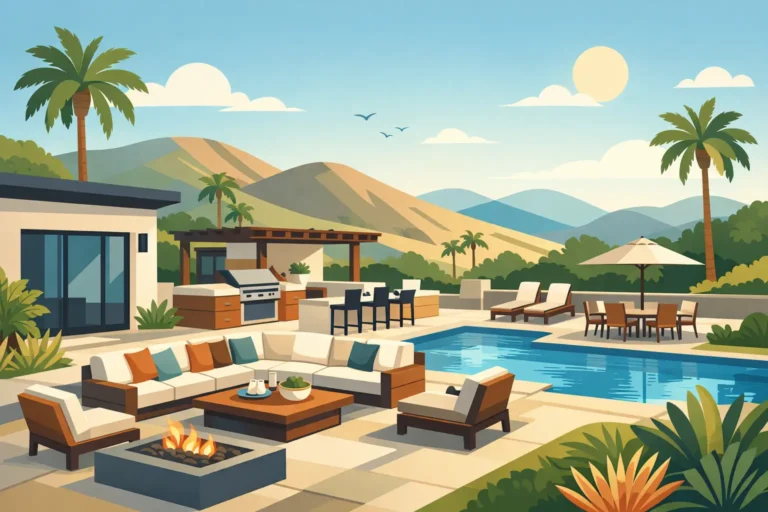
The best custom spa is designed around real routines, not a showroom image. A couple who wants a quiet place to unwind after work needs a different layout than a family that expects children, guests, and frequent weekend entertaining. Before selecting finishes or water features, consider who will use the spa, how often they will use it, and whether it should be visually connected to a pool, patio, outdoor kitchen, or fire feature.
An integrated pool and spa is often the right choice when homeowners want one cohesive architectural statement. The raised spa can create a dramatic focal point while its spillway adds movement and sound to the pool environment. A stand-alone spa may make more sense for a compact yard, a spa-first project, or a property where the pool area needs to remain separate from a dining or lounge zone.
Placement matters as much as shape. Position the spa where users have a pleasant view, reasonable privacy, and a logical path from the house. It should not feel isolated across the yard or force people to walk over slick turf or uneven hardscape. In hillside neighborhoods and tighter Los Angeles-area lots, experienced site planning is especially important because grades, drainage, retaining conditions, and access can influence both design and cost.
Choose a Layout That Supports Comfort
Spa seating is not one-size-fits-all. Bench depth, seat height, jet placement, entry steps, and the number of users all affect whether a spa feels truly comfortable. Four to six seats are common, but capacity should not be the only measurement. A crowded spa with poorly placed jets will not deliver the experience homeowners expect from a luxury backyard investment.
A well-designed layout usually includes varied seating heights. Adults may prefer a deeper therapy seat, while a shallower perch gives other users a comfortable option. A cool-down bench can be useful for longer soaks, and wide entry steps improve access for children, older family members, and guests. If hydrotherapy is a priority, plan dedicated jet zones for the back, shoulders, calves, or feet rather than treating jets as a decorative add-on.
Round spas create a social, conversational setting and work well within softer pool designs. Rectangular spas feel more architectural and complement modern homes, linear water features, and geometric pavers. Freeform shapes can blend naturally with a lagoon-style pool or a landscaped backyard, but they require disciplined detailing to avoid a dated or overly busy appearance. The right shape depends on the home’s architecture, the pool design, and how the spa connects with surrounding hardscape.
Raised, Flush, or Partially Raised?
A raised spa delivers visual impact. It can frame a view, provide spillover into the pool, and create a clear transition between wet and dry zones. It also introduces a higher edge, which calls for careful planning around steps, handholds, and child safety.
A flush spa has a clean, low-profile appearance and may be easier to integrate into a patio. However, it can lose visual definition if the surrounding materials are too similar. A partially raised spa often offers a balanced solution, giving homeowners a distinct spa feature without making the structure dominate the yard.
Build for Structure First, Then Finish
A luxury spa is only as reliable as the structure behind its tile. Southern California properties can face expansive soils, slope conditions, heat exposure, and seismic considerations. These are construction realities, not details to address after design selections are made.
For a custom concrete spa, structural engineering and proper reinforcement should lead the process. High-quality construction typically includes #4 steel rebar, properly designed plumbing runs, and 4,500 psi shotcrete to create a durable shell. The equipment pad, electrical requirements, gas line sizing, drainage, and access for future service should also be resolved before the finish work begins.
This approach prevents expensive compromises. For example, a beautiful raised spillway will not perform properly if the spa elevation, hydraulic design, or return lines were treated as an afterthought. Likewise, an elaborate tile band can become a maintenance issue when it is selected without considering waterline exposure, grout performance, or the chemistry demands of the chosen finish.
Homeowners should also plan the spa as part of a complete drainage strategy. Deck slopes, channel drains, landscape grading, and runoff routes protect the patio and help keep water from collecting near the home. This is particularly valuable during Southern California’s heavy seasonal rains, when a backyard should direct water intentionally rather than reveal design shortcuts.
Select Materials That Match the Climate and Style
Tile, coping, interior finish, and decking set the visual tone, but they must also stand up to heat, chemicals, foot traffic, and daily use. A spa finish should look refined on installation day and continue performing years later.
Porcelain and quality glass tile are popular for spa waterlines, spillways, and accent walls because they offer color consistency and a polished appearance. Glass can create a luminous, upscale effect, especially under LED lighting, but it may carry a higher material and installation cost. Porcelain often provides a durable, lower-maintenance alternative with a broad range of stone, concrete, and contemporary finishes.
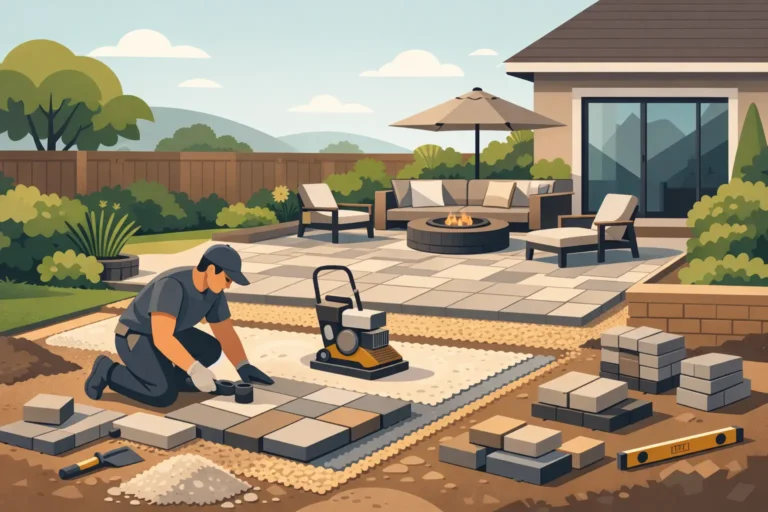
For coping, homeowners commonly choose natural stone, porcelain pavers, or concrete materials that coordinate with the pool deck. The right choice depends on the desired look and surface temperature. Some dark materials can become uncomfortably hot in direct sun, while textured options may offer better traction near wet areas. The material should also be selected with the rest of the outdoor living space in mind, including walkways, seating areas, outdoor kitchens, and fire features.
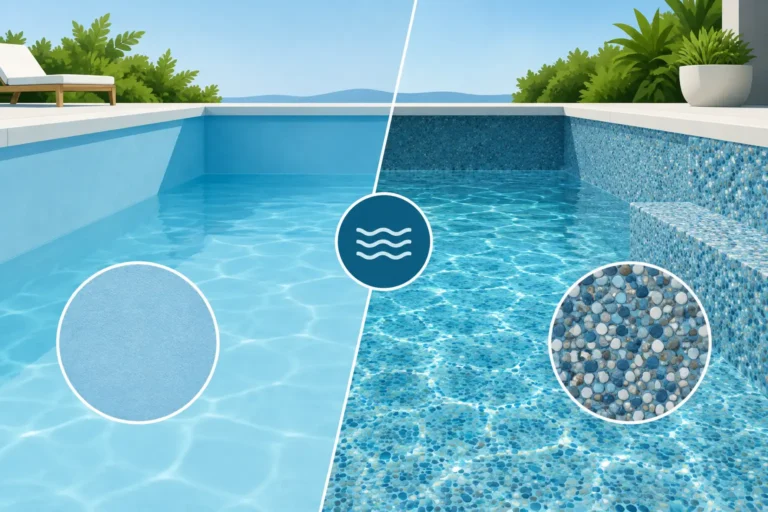
Interior finishes deserve equal attention. A premium plaster or pebble-style finish can influence water color, texture, longevity, and maintenance expectations. Depending on water chemistry and care, high-quality interior finishes can provide 15 to 25 years of service. The lowest upfront price is rarely the best value if it means earlier refinishing or a surface that does not fit the home’s level of design.
Make Equipment and Automation Part of the Design
The most elegant spa loses appeal when it is difficult to heat, slow to operate, or expensive to run. Equipment should be selected for the spa’s water volume, jet count, pool integration, and anticipated use. A properly sized heater, efficient circulation system, quality filtration, and thoughtfully designed plumbing help the spa heat consistently and perform as intended.
Smart automation is one of the most practical upgrades for homeowners who use their spa regularly. From a phone or control panel, users can manage temperature, pumps, lights, water features, and schedules without walking to the equipment pad. This is not just a convenience feature. It helps owners avoid heating the spa unnecessarily and makes spontaneous use far more realistic on a cool evening.
Salt systems can also create a more comfortable water feel and simplify routine chlorination for many owners. They still require proper water balancing and periodic maintenance, so they are not maintenance-free. The right system depends on the full pool-spa configuration, local water conditions, and how much hands-on care the homeowner wants to manage.
Plan Lighting for Safety and Atmosphere
Underwater LED lighting makes steps, benches, and spa edges easier to see while giving the backyard a finished nighttime presence. Warm white light often suits classic and contemporary homes, while color-changing options can add flexibility for entertaining. Keep the effect intentional. Too many colors or fixtures can make a refined backyard feel more like a theme park than a personal oasis.
Lighting beyond the water is equally important. Low-voltage path lighting, step lights, and carefully placed landscape illumination improve safety without flooding the yard with glare. The goal is a backyard that feels inviting and secure, not overlit.
Treat the Spa as Part of the Entire Backyard Investment
A custom spa has the strongest visual and financial impact when it belongs to a complete outdoor plan. The pool line, deck elevations, pavers, landscaping, shade structures, and entertaining areas should work together. Trying to add these components later can create mismatched materials, awkward transitions, and unnecessary demolition.
High Level Services approaches this work as a coordinated design-build project, allowing homeowners to make structural, aesthetic, and equipment decisions under one accountable team. For many pool and spa projects, a defined five-to-six-week construction timeline creates clarity, although site conditions, permits, weather, custom features, and material availability can affect the schedule.
Budget should reflect priorities rather than a long list of upgrades. Spend first on structure, hydraulics, durable finishes, and safe access. Then focus on the features that will genuinely improve your experience, whether that is a spillway, therapeutic jets, automation, a tanning shelf nearby, or a larger patio for entertaining. A smaller spa built with excellent materials and thoughtful details usually delivers more lasting value than an oversized design filled with shortcuts.
A well-designed spa does more than add warm water to a backyard. It gives the home a place to gather, recover, and slow down, while reinforcing the quality of the property around it. The right first step is a detailed conversation about your yard, your lifestyle, and the craftsmanship required to build something you will enjoy for years.