A driveway is asked to do more than frame the front of a home. It carries daily vehicle weight, directs rainwater away from the property, and sets the visual standard for everything that follows. That is why driveway paver installation cost is not simply a price per square foot. It reflects the engineering, site preparation, materials, and craftsmanship required to build a surface that remains attractive and dependable for years.
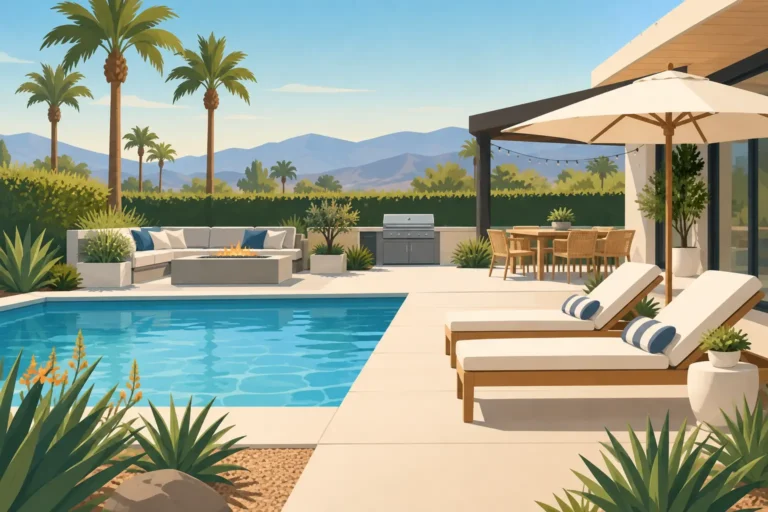
For homeowners in Santa Clarita, the San Fernando Valley, Los Angeles, and surrounding Southern California communities, a professionally installed paver driveway is often a meaningful property upgrade. The right design can add curb appeal, improve access, complement a custom pool or outdoor living area, and support long-term resale value. The key is understanding what the estimate includes before comparing numbers.
What Does Driveway Paver Installation Cost?
Most professionally installed residential paver driveways in Southern California fall roughly between $18 and $40 or more per square foot. A straightforward installation with standard concrete pavers, favorable access, and limited demolition may land near the lower end. A larger custom driveway with premium pavers, intricate borders, drainage corrections, significant grading, or challenging demolition will cost more.
For a 600-square-foot driveway, that range may translate to approximately $10,800 to $24,000 or more. A 1,000-square-foot driveway can reasonably range from $18,000 to $40,000-plus depending on its specifications. These are planning figures, not substitutes for a site-specific proposal. Soil conditions, existing concrete thickness, slope, and access can change the scope substantially.
The lower quote is not automatically the better value. A driveway is only as durable as the base beneath it. If an estimate leaves out excavation depth, compaction, edge restraints, drainage, or disposal, the apparent savings can become expensive repairs later.
The Work Beneath the Pavers Drives the Value
Pavers are the visible finish, but the base is what allows them to perform under vehicle traffic. A reliable driveway installation begins with removing the existing surface, excavating to the appropriate depth, and establishing proper grades. The contractor then installs and compacts a crushed aggregate base designed for the site and intended use.
For a driveway, this preparation is far more demanding than a light-use garden path. Passenger vehicles, SUVs, delivery trucks, and repeated turning movements create pressure that can expose weak installation practices. Inadequate base material or poor compaction may lead to settling, low spots, shifting pavers, and standing water.
Edge restraints are equally important. They hold the field of pavers in position when vehicles turn or brake, helping preserve clean lines and joint integrity. Sand bedding, joint sand, and final plate compaction complete the system. Each stage takes skilled labor, the right equipment, and careful attention to grade.
A high-quality quote should make this preparation clear. Homeowners should know how much removal and excavation are included, what base material will be used, how it will be compacted, and how water will move away from the home and garage.
Material Choice Changes Both Price and Character
Concrete pavers are a popular choice because they offer a broad range of colors, shapes, textures, and laying patterns. They can create a clean contemporary entry, a warm Mediterranean look, or a more traditional estate-style driveway. Standard shapes and colors are generally more economical than specialty collections, tumbled finishes, or large-format architectural pavers.
Natural stone and porcelain can create a striking custom appearance, but they typically increase material and labor costs. Stone varies in thickness and requires more detailed selection and installation. Porcelain may offer exceptional color consistency and modern style, yet it also demands the correct base system and installation method for driveway use.
The pattern matters as well. A simple running bond or basket weave can be efficient to install. Herringbone patterns are often well suited to driveways because their interlocking layout handles vehicular forces effectively, though they may require additional cutting and labor. Contrasting borders, soldier courses, inlays, and custom medallions add visual sophistication but increase material waste and installation time.
A well-designed driveway should complement the architecture of the house rather than compete with it. The best selection is not necessarily the most expensive paver. It is the material and layout that balance durability, traction, color retention, and a cohesive property-wide design.
Site Conditions That Raise or Lower the Estimate
Every property has its own construction realities. A flat driveway with open equipment access is more predictable than a steep, narrow site with mature landscaping, gates, utility structures, or limited staging space. These conditions do not make the project impossible, but they influence labor, equipment needs, and schedule.
Demolition is often a major variable. Removing thin, cracked concrete is different from breaking out a heavily reinforced slab or a driveway with multiple layers of previous repairs. Hauling and legal disposal are also real parts of the cost, especially in dense Southern California neighborhoods.
Drainage deserves careful consideration. Water should be directed away from the home, garage, and neighboring properties. Depending on existing grades, the project may require channel drains, area drains, drain pipe, swales, or adjustments to the driveway slope. This work protects the finished pavers and helps prevent moisture-related problems around the structure.
If the driveway connects to a front yard renovation, retaining wall, gate, walkway, or outdoor lighting plan, coordinating those elements at the beginning can be more efficient than addressing them separately later. A design-build contractor can align elevations, materials, and construction sequencing across the entire property.
Comparing Driveway Paver Installation Cost Estimates
When reviewing proposals, compare scope before comparing totals. One contractor may include full removal, a substantial compacted base, drainage, edge restraints, and cleanup, while another may price only a thin overlay or exclude critical site work. Those are not equivalent projects.
Ask whether the estimate identifies the paver product, pattern, border details, base preparation, demolition, hauling, drainage allowances, and final joint stabilization. It should also explain how unforeseen conditions are handled. Hidden subgrade issues, buried debris, or unexpected concrete thickness can affect a project, but clear communication prevents surprises from becoming conflict.
It is also reasonable to ask about crew experience and project management. Paver work requires more than placing attractive units across a surface. The team must control elevation at the garage, transitions at sidewalks and gates, drainage flow, cuts around columns or planters, and the structural performance of the entire field.
At High Level Services, the focus is on durable construction that supports the larger vision for the property. A driveway can be designed as part of an elegant front-entry upgrade or coordinated with a backyard transformation, outdoor kitchen, pool deck, and hardscape plan for a more complete result.
Is a Paver Driveway Worth the Investment?
For many homeowners, pavers offer a compelling balance of appearance and serviceability. Unlike a large poured concrete slab, an individual paver can often be removed and replaced if it becomes damaged or if underground utility work is needed. Properly installed pavers also allow for refined design details that are difficult to achieve with plain concrete.
That said, pavers are not a shortcut material. They require a properly engineered base, especially in vehicle areas. They may also need periodic cleaning, joint-sand maintenance, and attention to drainage over time. Choosing a quality installation from the start is the strongest way to protect the investment.
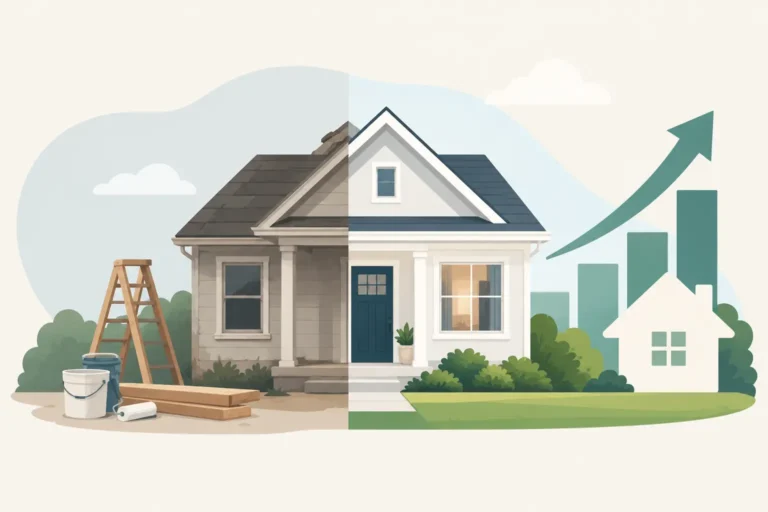
The value is particularly clear when a worn, stained, or cracked driveway distracts from an otherwise well-maintained home. A new paver surface can create a finished arrival experience, improve daily use, and give the property a more intentional, upscale presence.
Plan the Project Around Performance, Not Just Price
A precise driveway proposal starts with an on-site evaluation. Measurements, slope, soil, existing concrete, drainage paths, vehicle use, access, and design preferences all deserve review before final pricing. This is also the right time to discuss whether the driveway should include a wider turn-in area, pedestrian walkway, lighting sleeves, gates, or connections to future landscape improvements.
The most successful driveway projects pair a clear budget with uncompromising preparation. Select materials that suit the home, invest in the base and drainage work that cannot be seen after completion, and work with a contractor who takes ownership of the full scope. A free consultation can turn broad cost ranges into a practical plan for a driveway built to look flawless and perform with confidence.