Best Pool Coping Materials for Southern California

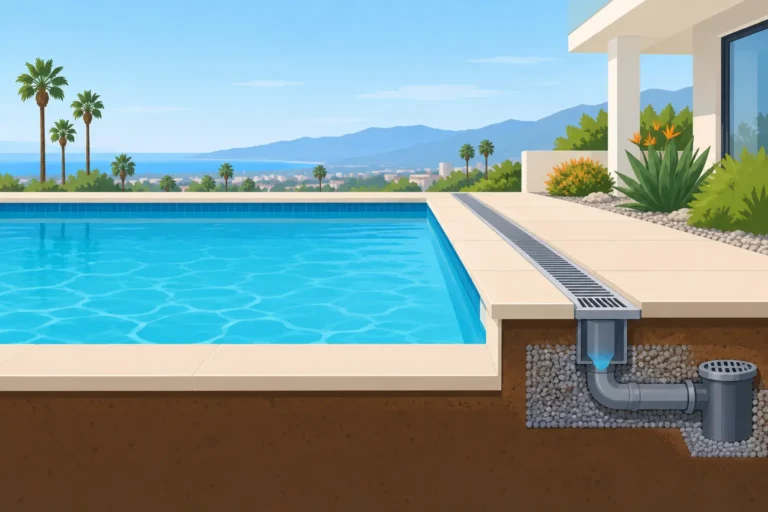
The pool edge is where a beautiful design either feels complete or falls short. Coping frames the water, creates the transition from pool to deck, and provides the handhold and walking surface people use every day. Choosing the best pool coping materials is not simply a color decision. For Southern California homeowners, it is a durability, heat, safety, maintenance, and long-term property-value decision.

A premium coping installation should look refined from across the yard while performing reliably through intense sun, pool chemicals, splashing, and active family use. The right material depends on the architectural style of the home, the deck material, the pool finish, whether the system uses salt, and how the space will be enjoyed. There is no single answer for every backyard, but there are clear advantages to each leading option.

What Pool Coping Needs to Handle

Pool coping does more work than most homeowners realize. It protects the bond beam at the pool perimeter, directs splash-out away from the shell, and creates a finished edge between water and hardscape. It also needs to stay comfortable enough for bare feet and offer dependable traction when wet.

In Santa Clarita, the San Fernando Valley, Los Angeles, and surrounding communities, summer heat changes the material conversation. A surface that looks exceptional in a showroom may become uncomfortably hot on an exposed west-facing deck. Freeze-thaw damage is less of a concern than it is in colder regions, but UV exposure, soil movement, drainage, and saltwater systems deserve serious attention.

A high-quality installation matters as much as the product itself. Coping must be set with proper substrate preparation, consistent joints, sound drainage planning, and clean alignment around curves, steps, Baja shelves, and integrated spas. Premium materials cannot compensate for careless layout or inadequate structural work underneath.

Best Pool Coping Materials for Lasting Style

Travertine: The Southern California Favorite

Travertine remains one of the most requested choices for luxury pool environments, and for good reason. Its natural variation creates a warm, elevated appearance that works beautifully with Mediterranean, Spanish, transitional, and contemporary outdoor designs. Ivory, walnut, silver, and beige tones can complement nearly any pool finish without making the space feel overly formal.

The primary advantage is comfort. Tumbled travertine is generally cooler underfoot than many dense stone or concrete surfaces, especially in lighter colors. Its naturally textured finish also provides good slip resistance, making it a strong choice for families and entertaining areas.

Travertine does require practical care. Because it is a natural porous stone, it should be properly sealed and periodically maintained. Open voids are part of its character, though quality installations typically fill and finish the stone appropriately for the application. Homeowners who want a timeless, resort-style pool deck and are comfortable with routine sealing often find travertine to be an excellent investment.

Porcelain: Clean Lines and Low Maintenance

Porcelain coping is a leading option for homeowners who want a highly controlled, modern look. Available in stone-inspired, concrete-inspired, and wood-look finishes, porcelain offers consistent color and sizing that supports crisp, intentional design. It pairs especially well with sleek geometric pools, large-format pavers, dark interiors, and modern outdoor kitchens.

Quality exterior-rated porcelain is dense, nonporous, stain resistant, and resistant to fading. It does not need the same sealing schedule as natural stone, and it stands up well to sunscreen, food spills, and routine poolside use. Many porcelain collections include bullnose or drop-face coping pieces designed specifically for pool edges.

The trade-off is heat and installation precision. Dark porcelain can become hot in direct sun, so lighter shades are usually the smarter choice for fully exposed Southern California yards. Porcelain also demands experienced cutting, setting, and expansion-joint planning. A flawless finish depends on the installer understanding how the material behaves around a pool shell and adjacent hardscape.

Cast Concrete: Flexible, Durable, and Customizable

Cast concrete coping offers design flexibility at a practical price point. It can be poured or precast in a wide range of profiles, from traditional bullnose edges to clean square-edge designs. Color can be selected to coordinate with the deck, plaster, tile, and home exterior, making concrete a versatile solution for both classic and contemporary pools.

When properly reinforced, finished, and sealed, concrete coping is durable and easy to repair compared with many natural materials. It can also create a continuous visual line around freeform pools, radius spas, and custom water features where individual stone pieces may require more complex fabrication.

Concrete is not maintenance-free. It can develop hairline cracking over time, particularly if drainage, expansion joints, or underlying soil conditions are not properly addressed. Its surface can also become hot, and a slick finish is a poor choice near water. The best concrete coping uses a slip-resistant texture and a lighter color, with joints thoughtfully placed to manage normal movement.

Natural Stone: Distinctive and High-End

Natural stone coping includes options such as limestone, sandstone, flagstone, and select granite. Each creates a distinctive visual character that manufactured materials cannot fully replicate. Limestone can feel soft and elegant, sandstone brings warm texture, and certain granites offer exceptional density and dramatic color movement.

This category is ideal when the goal is a truly custom outdoor environment with material continuity between the pool, pathways, retaining walls, fireplaces, and outdoor kitchen features. Natural stone can make the entire backyard feel designed rather than assembled.

However, not every stone belongs around every pool. Some stones are more porous, more prone to flaking, or less compatible with salt exposure than others. A saltwater pool can accelerate deterioration in unsuitable natural stone, especially when water regularly reaches the coping and deck. Material selection should be based on the specific stone, its finish, the pool system, and the expected maintenance commitment – not only its appearance in a sample board.

How to Match Coping to Your Pool and Deck

Coping should support the complete outdoor design, not compete with it. For a light plaster pool with a warm-toned paver deck, ivory travertine or soft beige limestone can create an inviting, cohesive result. For a sharp-edged pool with dark tile and a modern home exterior, large-format porcelain or square-edge concrete may provide the cleaner visual language the project needs.

The edge profile matters, too. Bullnose coping has a rounded, traditional feel and is comfortable for swimmers holding the edge. Drop-face coping creates a thicker, more architectural perimeter that can make a pool appear more substantial. Square-edge coping offers a minimal contemporary look but requires precise craftsmanship, particularly where the deck meets the pool.

Waterline tile should also be selected alongside coping rather than afterward. A heavily patterned tile can clash with busy natural stone, while a quiet solid tile can let richly textured travertine or sandstone take the lead. Viewing full-size samples outdoors at different times of day is far more reliable than choosing from a small indoor swatch.

Safety, Salt, and Installation Details That Matter

The best-looking coping is not the best choice if it creates a slippery edge or degrades prematurely. Ask for materials rated for exterior, wet-area use and select a finish with real traction rather than a polished surface. This is especially relevant around Baja shelves, spa entries, and areas where children tend to run in and out of the pool.

Salt systems are popular because they offer a comfortable swimming experience, but they still introduce salt to the surrounding environment. Properly selected porcelain and well-finished concrete typically perform well. Travertine and other natural stones can also work, provided the stone is appropriate, the installation is detailed correctly, and sealing is maintained. The wrong stone or neglected joints can lead to staining, spalling, or avoidable repair work.

Drainage is another nonnegotiable detail. Water should move away from the pool and home in a controlled direction, not sit along coping joints or wash back toward the structure. Reliable construction accounts for the pool shell, deck elevation, expansion joints, skimmer placement, and surrounding grade as one coordinated system.

At High Level Services, that design-build mindset guides material selection from the beginning, so the pool coping, deck, water features, automation, and surrounding outdoor living areas perform as one polished investment.

Making the Right Investment for Your Backyard

Travertine is often the strongest all-around choice for homeowners seeking a cool, classic Southern California poolscape. Porcelain is ideal for low-maintenance modern design. Concrete brings adaptable styling and value, while carefully chosen natural stone delivers one-of-a-kind character for a truly custom setting.

Before committing, consider how the coping will feel on a July afternoon, how it will coordinate with your deck and pool finish, and what maintenance level fits your household. A free consultation with an experienced pool contractor can turn those decisions into a clear material plan, a durable construction scope, and a backyard that feels as refined five years from now as it does on the day the water goes in.
Leave a Reply

Best Pool Coping Materials for Southern California

The pool edge is where a beautiful design either feels complete or falls short. Coping frames the water, creates the transition from pool to deck, and provides the handhold and walking surface people use every day. Choosing the best pool coping materials is not simply a color decision. For Southern California homeowners, it is a durability, heat, safety, maintenance, and long-term property-value decision.

A premium coping installation should look refined from across the yard while performing reliably through intense sun, pool chemicals, splashing, and active family use. The right material depends on the architectural style of the home, the deck material, the pool finish, whether the system uses salt, and how the space will be enjoyed. There is no single answer for every backyard, but there are clear advantages to each leading option.

What Pool Coping Needs to Handle

Pool coping does more work than most homeowners realize. It protects the bond beam at the pool perimeter, directs splash-out away from the shell, and creates a finished edge between water and hardscape. It also needs to stay comfortable enough for bare feet and offer dependable traction when wet.

In Santa Clarita, the San Fernando Valley, Los Angeles, and surrounding communities, summer heat changes the material conversation. A surface that looks exceptional in a showroom may become uncomfortably hot on an exposed west-facing deck. Freeze-thaw damage is less of a concern than it is in colder regions, but UV exposure, soil movement, drainage, and saltwater systems deserve serious attention.

A high-quality installation matters as much as the product itself. Coping must be set with proper substrate preparation, consistent joints, sound drainage planning, and clean alignment around curves, steps, Baja shelves, and integrated spas. Premium materials cannot compensate for careless layout or inadequate structural work underneath.

Best Pool Coping Materials for Lasting Style

Travertine: The Southern California Favorite

Travertine remains one of the most requested choices for luxury pool environments, and for good reason. Its natural variation creates a warm, elevated appearance that works beautifully with Mediterranean, Spanish, transitional, and contemporary outdoor designs. Ivory, walnut, silver, and beige tones can complement nearly any pool finish without making the space feel overly formal.

The primary advantage is comfort. Tumbled travertine is generally cooler underfoot than many dense stone or concrete surfaces, especially in lighter colors. Its naturally textured finish also provides good slip resistance, making it a strong choice for families and entertaining areas.

Travertine does require practical care. Because it is a natural porous stone, it should be properly sealed and periodically maintained. Open voids are part of its character, though quality installations typically fill and finish the stone appropriately for the application. Homeowners who want a timeless, resort-style pool deck and are comfortable with routine sealing often find travertine to be an excellent investment.

Porcelain: Clean Lines and Low Maintenance

Porcelain coping is a leading option for homeowners who want a highly controlled, modern look. Available in stone-inspired, concrete-inspired, and wood-look finishes, porcelain offers consistent color and sizing that supports crisp, intentional design. It pairs especially well with sleek geometric pools, large-format pavers, dark interiors, and modern outdoor kitchens.

Quality exterior-rated porcelain is dense, nonporous, stain resistant, and resistant to fading. It does not need the same sealing schedule as natural stone, and it stands up well to sunscreen, food spills, and routine poolside use. Many porcelain collections include bullnose or drop-face coping pieces designed specifically for pool edges.

The trade-off is heat and installation precision. Dark porcelain can become hot in direct sun, so lighter shades are usually the smarter choice for fully exposed Southern California yards. Porcelain also demands experienced cutting, setting, and expansion-joint planning. A flawless finish depends on the installer understanding how the material behaves around a pool shell and adjacent hardscape.

Cast Concrete: Flexible, Durable, and Customizable

Cast concrete coping offers design flexibility at a practical price point. It can be poured or precast in a wide range of profiles, from traditional bullnose edges to clean square-edge designs. Color can be selected to coordinate with the deck, plaster, tile, and home exterior, making concrete a versatile solution for both classic and contemporary pools.

When properly reinforced, finished, and sealed, concrete coping is durable and easy to repair compared with many natural materials. It can also create a continuous visual line around freeform pools, radius spas, and custom water features where individual stone pieces may require more complex fabrication.

Concrete is not maintenance-free. It can develop hairline cracking over time, particularly if drainage, expansion joints, or underlying soil conditions are not properly addressed. Its surface can also become hot, and a slick finish is a poor choice near water. The best concrete coping uses a slip-resistant texture and a lighter color, with joints thoughtfully placed to manage normal movement.

Natural Stone: Distinctive and High-End

Natural stone coping includes options such as limestone, sandstone, flagstone, and select granite. Each creates a distinctive visual character that manufactured materials cannot fully replicate. Limestone can feel soft and elegant, sandstone brings warm texture, and certain granites offer exceptional density and dramatic color movement.

This category is ideal when the goal is a truly custom outdoor environment with material continuity between the pool, pathways, retaining walls, fireplaces, and outdoor kitchen features. Natural stone can make the entire backyard feel designed rather than assembled.

However, not every stone belongs around every pool. Some stones are more porous, more prone to flaking, or less compatible with salt exposure than others. A saltwater pool can accelerate deterioration in unsuitable natural stone, especially when water regularly reaches the coping and deck. Material selection should be based on the specific stone, its finish, the pool system, and the expected maintenance commitment – not only its appearance in a sample board.

How to Match Coping to Your Pool and Deck

Coping should support the complete outdoor design, not compete with it. For a light plaster pool with a warm-toned paver deck, ivory travertine or soft beige limestone can create an inviting, cohesive result. For a sharp-edged pool with dark tile and a modern home exterior, large-format porcelain or square-edge concrete may provide the cleaner visual language the project needs.

The edge profile matters, too. Bullnose coping has a rounded, traditional feel and is comfortable for swimmers holding the edge. Drop-face coping creates a thicker, more architectural perimeter that can make a pool appear more substantial. Square-edge coping offers a minimal contemporary look but requires precise craftsmanship, particularly where the deck meets the pool.

Waterline tile should also be selected alongside coping rather than afterward. A heavily patterned tile can clash with busy natural stone, while a quiet solid tile can let richly textured travertine or sandstone take the lead. Viewing full-size samples outdoors at different times of day is far more reliable than choosing from a small indoor swatch.

Safety, Salt, and Installation Details That Matter

The best-looking coping is not the best choice if it creates a slippery edge or degrades prematurely. Ask for materials rated for exterior, wet-area use and select a finish with real traction rather than a polished surface. This is especially relevant around Baja shelves, spa entries, and areas where children tend to run in and out of the pool.

Salt systems are popular because they offer a comfortable swimming experience, but they still introduce salt to the surrounding environment. Properly selected porcelain and well-finished concrete typically perform well. Travertine and other natural stones can also work, provided the stone is appropriate, the installation is detailed correctly, and sealing is maintained. The wrong stone or neglected joints can lead to staining, spalling, or avoidable repair work.

Drainage is another nonnegotiable detail. Water should move away from the pool and home in a controlled direction, not sit along coping joints or wash back toward the structure. Reliable construction accounts for the pool shell, deck elevation, expansion joints, skimmer placement, and surrounding grade as one coordinated system.

At High Level Services, that design-build mindset guides material selection from the beginning, so the pool coping, deck, water features, automation, and surrounding outdoor living areas perform as one polished investment.

Making the Right Investment for Your Backyard

Travertine is often the strongest all-around choice for homeowners seeking a cool, classic Southern California poolscape. Porcelain is ideal for low-maintenance modern design. Concrete brings adaptable styling and value, while carefully chosen natural stone delivers one-of-a-kind character for a truly custom setting.

Before committing, consider how the coping will feel on a July afternoon, how it will coordinate with your deck and pool finish, and what maintenance level fits your household. A free consultation with an experienced pool contractor can turn those decisions into a clear material plan, a durable construction scope, and a backyard that feels as refined five years from now as it does on the day the water goes in.

Leave a Reply