A failing roof rarely announces itself with one dramatic event. More often, Southern California homeowners notice a ceiling stain after winter rain, cracked tiles after a hot summer, or granules collecting near a downspout. This roof replacement guide explains how to make a confident decision before minor wear turns into interior damage, mold concerns, or a more expensive structural repair.
A roof replacement is not simply a new layer of material. It is a coordinated construction project involving decking, underlayment, flashings, ventilation, drainage, and the finish material visible from the street. When these components work together, they protect your home, improve curb appeal, and support long-term property value.
When Repair Stops Being the Right Answer
A focused repair can be the right investment when damage is isolated. A few slipped roof tiles, a failed pipe flashing, or storm damage in one defined area may be corrected without replacing the entire system. The key is confirming that the surrounding roof is still structurally sound and has meaningful service life remaining.
Replacement becomes the more reliable path when leaks recur in different locations, the underlayment has reached the end of its lifespan, or large sections show widespread deterioration. Water stains inside the home deserve prompt attention, but the visible stain is not always directly below the leak. Water can travel along framing before it appears at the ceiling, which is why a professional inspection matters.
Age is also a practical indicator. Asphalt shingle roofs commonly need replacement sooner than tile or metal systems, although installation quality, attic ventilation, sun exposure, and maintenance all affect actual lifespan. A tile roof may look intact from the ground while its underlayment and flashings are failing beneath it. Replacing broken tiles alone will not solve an underlayment problem.
Roof Replacement Guide: Inspect the Full System
A high-quality roof replacement starts with an honest assessment of the full assembly, not a material selection made from a showroom sample. Your contractor should inspect the roof surface, penetrations, valleys, chimney areas, skylights, gutters, fascia, and accessible attic spaces. If solar panels are installed, their removal and reinstallation must also be planned carefully.
The roof deck is especially important. Once existing materials are removed, concealed water damage, dry rot, or weakened sheathing may become visible. Sound decking provides the foundation for every layer above it. Any compromised areas should be repaired before new underlayment and roofing materials are installed.
Flashings deserve the same attention as the roof covering. These metal details direct water away from transitions around walls, vents, chimneys, and valleys. Many leaks that homeowners blame on shingles or tiles actually originate at poorly installed or aging flashing. Reliable workmanship means treating these areas as critical waterproofing details, not afterthoughts.
Ventilation should be reviewed as well. Southern California heat can place substantial stress on roofing materials and attic spaces. Proper intake and exhaust ventilation can help manage moisture and heat buildup, although the right solution depends on the home’s design, existing vents, insulation, and local code requirements.
Choose Materials for Your Home and Neighborhood
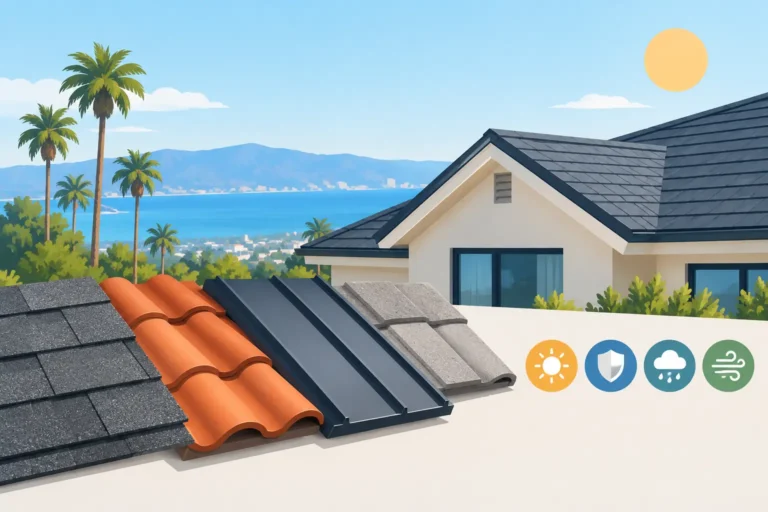
The best roofing material depends on architectural style, budget, climate exposure, weight limitations, HOA requirements, and your plans for the property. A luxury home in Santa Clarita may call for a different finish than a commercial building in Los Angeles or a rental property undergoing a value-focused upgrade.
Asphalt Shingles
Architectural asphalt shingles offer a clean appearance, broad color selection, and a cost-conscious entry point for many homeowners. They are lighter than tile and can suit a range of roof designs. Quality varies considerably between product lines, so the warranty, wind rating, fire classification, and installation details should be reviewed rather than choosing on color alone.
Concrete and Clay Tile
Tile complements many Southern California homes and delivers a distinctive, elevated appearance. Concrete tile is durable and available in many profiles, while clay tile offers timeless color and character. Both require a roof structure capable of supporting their weight, and both depend on a properly installed underlayment system. The tile is the visible finish, but the waterproof layer below does much of the protective work.
Metal Roofing
Metal roofing can provide exceptional longevity, crisp architectural lines, and strong resistance to sun exposure. It is often a premium investment, particularly for custom details and complex roof geometry. Homeowners should ask about panel profiles, coating performance, fastening systems, and how the material will integrate with valleys, walls, and penetrations.
Cool Roof Options
Reflective materials and coatings may help reduce heat absorption and can be especially valuable on low-slope roof areas. California energy requirements and local permitting standards may influence your options. A qualified contractor can identify which products are appropriate for your roof type instead of applying a one-size-fits-all recommendation.
Plan for Permits, Scheduling, and Daily Life
Roof replacement is disruptive, but organized project management keeps the disruption contained. Most residential projects involve noise, foot traffic, material delivery, and debris removal. A dependable contractor should explain the expected schedule, protect landscaping and surrounding surfaces where possible, and keep the site clean throughout the work.
Permitting requirements vary by city, roof scope, and material choice. If your project includes structural repairs, changed roof framing, solar coordination, or significant alterations, the permitting process may be more involved. Proper permits and inspections protect the homeowner by creating accountability around code compliance and documented work.
Before work begins, clear driveway access, move patio furniture and vehicles away from the work zone, and protect fragile items in the attic or garage. Roof removal creates vibration, so homeowners should also secure wall-hung art and delicate belongings. If you have pets, plan for the noise and frequent gate access during construction.
The weather forecast matters, but roofing professionals also build protection measures into the work plan. No contractor can control rain, yet temporary waterproofing and disciplined daily cleanup reduce exposure when conditions change. Clear communication is essential if a schedule must shift for safety or material availability.
Compare Proposals Beyond the Bottom Line
The lowest estimate can become the most expensive choice if it leaves out necessary components. Compare written proposals line by line, including removal and disposal, decking repairs, underlayment type, flashing replacement, ventilation, material specifications, permit handling, cleanup, and warranty terms.
Ask who will supervise the work, how change orders are approved, and how unexpected deck damage is priced. These conversations are not uncomfortable details. They are how homeowners avoid surprises after the old roof is removed.
A strong proposal identifies the roofing system clearly. It should not rely on vague language such as “install new roof as needed.” Specific materials, installation scope, and finish details give you a meaningful basis for comparison and set the standard for a flawless result.
Protect the Investment After Installation
A new roof benefits from simple, consistent care. Keep gutters and valleys clear, trim back branches that scrape the roof, and schedule inspections after major wind or rain events. Avoid allowing unqualified trades to cut into the roof for new vents, satellite equipment, or solar work without proper flashing and coordination.
For homeowners planning a larger property upgrade, roofing can also be timed with exterior painting, solar improvements, patio construction, or a complete backyard transformation. Coordinating related projects reduces the chance that one trade damages the finished work of another. High Level Services approaches these improvements with the same focus on durable craftsmanship, clean execution, and long-term value.
Your roof protects every upgrade beneath it, from a remodeled kitchen to the personal oasis waiting outside your back door. Choose a contractor who is prepared to inspect carefully, specify quality materials, and take ownership of the details that keep your home protected for years to come.